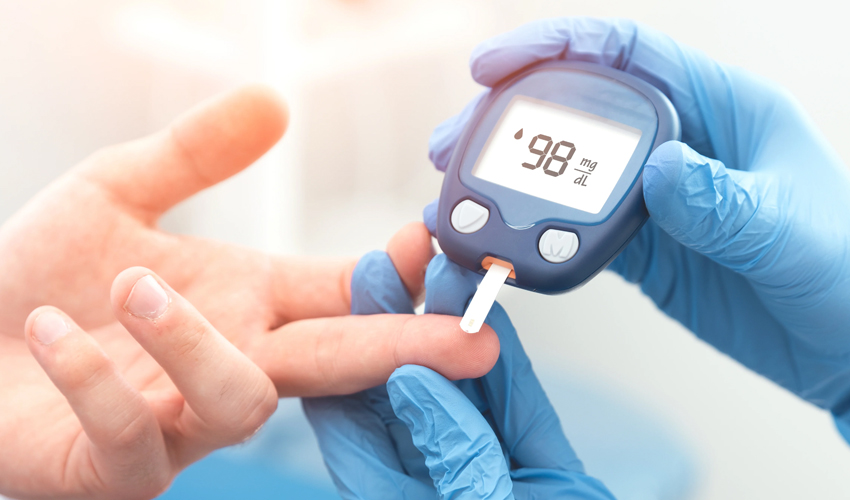
Diabetes is a chronic health condition that requires consistent monitoring, appropriate medical treatment, and long-term lifestyle management. Whether you have recently been diagnosed with diabetes or have been managing it for several years, consulting the Best Diabetologist in Kopar khairane can help you understand your condition and make informed decisions about your health. A diabetologist specializes in diagnosing, treating, and managing diabetes and its associated complications, helping patients maintain better blood sugar control and improve their overall quality of life.
Choosing the Best Diabetologist in Kopar Khairane is an important step toward effective diabetes management. With personalized treatment plans, regular health assessments, dietary guidance, and lifestyle recommendations, a qualified specialist can help you manage your blood glucose levels and reduce the risk of long-term complications.
If you are looking for expert diabetes care, consulting an experienced diabetologist can provide the medical guidance and ongoing support needed to manage diabetes more confidently.
A diabetologist is a medical specialist who focuses on the diagnosis, treatment, and long-term management of diabetes mellitus. Diabetes occurs when the body cannot produce enough insulin or cannot use insulin effectively, resulting in elevated blood glucose levels.Insulin is a hormone that helps glucose move from the bloodstream into the body's cells, where it is used for energy. When this process does not function properly, blood sugar levels can rise and affect various organs over time.
Diabetes management involves more than checking blood sugar levels. It requires a comprehensive approach that considers your overall health, daily routine, nutritional needs, physical activity, and individual treatment requirements.
Consulting the Diabetologist can help you receive appropriate medical care based on your specific condition.
Early diagnosis is essential for managing diabetes effectively. A diabetologist may recommend tests such as fasting blood glucose, post-meal blood glucose, and HbA1c, depending on your symptoms and medical history.
These assessments help determine whether you have diabetes, prediabetes, or another condition affecting your Blood Sugar levels.
Every patient has different medical needs. Factors such as age, weight, kidney function, existing medical conditions, lifestyle, and current medications can influence diabetes treatment.A diabetologist develops an individualized treatment plan that may include dietary modifications, physical activity, oral medications, injectable medicines, or insulin when clinically appropriate.
Monitoring blood glucose levels helps patients and healthcare professionals understand how effectively diabetes is being managed.Your diabetologist can advise you on how frequently to check your blood sugar, how to interpret readings, and when your treatment plan may need adjustment. HbA1c testing may also be recommended to assess average blood glucose levels over approximately the previous two to three months.
Persistently elevated blood glucose levels can increase the risk of several health problems. Regular diabetes follow-ups can help identify potential complications early.Depending on your condition, your doctor may recommend blood pressure monitoring, cholesterol testing, kidney function assessments, retinal examinations, and foot evaluations.
Healthy eating, regular physical activity, sufficient sleep, and medication adherence play important roles in diabetes management.
A Diabetologist can help you understand how different foods, meal timings, exercise, stress, and daily habits affect blood sugar levels. Personalized guidance can make it easier to develop sustainable habits rather than relying on restrictive or unrealistic diets.
A diabetologist provides care for different forms of diabetes and blood glucose disorders.
Type 1 diabetes is an autoimmune condition in which the immune system destroys insulin-producing cells in the pancreas. People with this condition require insulin treatment and ongoing glucose monitoring.
A diabetologist helps patients manage insulin therapy, understand blood sugar fluctuations, recognize hypoglycemia, and adjust their care in accordance with medical advice.
Type 2 diabetes is the most common form of diabetes. It develops when the body does not use insulin effectively and, over time, may not produce enough insulin to maintain normal blood glucose levels.Management may involve lifestyle changes, oral medicines, injectable medications, or insulin, depending on the individual's needs. Regular follow-ups help evaluate treatment effectiveness and reduce the risk of complications.
Prediabetes refers to blood glucose levels that are higher than normal but below the diagnostic threshold for diabetes.People with prediabetes may benefit from structured lifestyle changes, appropriate weight management, physical activity, and periodic testing. Early intervention can reduce the risk of developing type 2 diabetes.
Gestational diabetes develops during pregnancy and requires careful monitoring to protect both maternal and fetal health.Management may include dietary changes, glucose monitoring, physical activity when appropriate, and medication if necessary. Pregnant patients should follow a care plan coordinated with their obstetrician and diabetes specialist.
Some people develop diabetes due to genetic conditions, Pancreatic Disorders,certain medications, or other underlying health problems. A diabetologist can evaluate these cases and recommend appropriate investigations or specialist referrals.
Recognizing the symptoms of diabetes can help people seek medical attention promptly. However, some individuals, particularly those with early type 2 diabetes, may not experience noticeable symptoms.
If you experience these symptoms, consult a qualified healthcare professional for evaluation. Severe symptoms such as vomiting, abdominal pain, deep or rapid breathing, confusion, or marked drowsiness may indicate a medical emergency and require immediate attention.
The Best Diabetologist in Koparkhairane focuses on both blood sugar control and the prevention of diabetes-related complications.Depending on the clinic and the patient's medical requirements, diabetes care may include the following services.
Regular testing helps evaluate current glucose levels and long-term blood sugar control. Your doctor can explain your results and establish appropriate treatment targets.
Diabetes medications are selected according to the type of diabetes, glucose levels, kidney function, cardiovascular health, other medical conditions, and individual treatment goals.Your diabetologist can review existing prescriptions, assess side effects, and modify treatment when necessary. Patients should not stop insulin or change prescribed medication doses without medical guidance.
Some patients require insulin to achieve safe and effective blood glucose control. A diabetologist can explain insulin administration, injection techniques, storage, glucose monitoring, and the prevention of low blood sugar.
A balanced eating plan can support blood glucose management and overall health. Recommendations may include appropriate portions of carbohydrates, vegetables, pulses, whole grains, protein sources, healthy fats, and individualized meal timings.
For Indian diets, a doctor or qualified dietitian may help patients make practical adjustments to familiar foods such as roti, rice, dal, vegetables, and snacks.
Diabetes can damage nerves and impair circulation, increasing the risk of foot ulcers and infections. Regular foot examinations, suitable footwear, and daily foot checks are important preventive measures.Seek prompt medical attention for a foot wound, swelling, redness, discoloration, or signs of infection.
Diabetes management also involves assessing blood pressure, cholesterol, kidney health, eye health, and other risk actors. Your doctor may coordinate care with an ophthalmologist, nephrologist, cardiologist, or other specialists when needed.
Finding the right specialist involves considering more than reputation or online ratings. Look for a doctor who provides evidence-based care and takes time to understand your medical needs.
Choose a specialist who considers your medical history, daily routine, nutritional preferences, and treatment goals instead of recommending the same plan to every patient.
Diabetes requires long-term cooperation between the patient and healthcare professional. A good diabetologist should explain test results, medication instructions, possible side effects, and follow-up requirements in understandable language.
Consistent follow-ups help assess progress and identify problems before they become more serious. Ask about appointment availability, monitoring recommendations, and how the clinic handles treatment-related concerns.
Look for a specialist who emphasizes regular screening, lifestyle management, cardiovascular risk reduction, kidney health, and foot and eye care.
Although diabetes requires ongoing attention, many people can manage it effectively with an appropriate treatment plan and healthy daily habits.Follow your prescribed treatment: Take medications as directed and attend scheduled appointments.
Avoid relying on unverified home remedies or stopping prescribed treatment because your blood sugar readings have improved. Diabetes management should always be guided by appropriate medical advice.
A diabetologist specializes in diagnosing and managing diabetes, including type 1 diabetes, type 2 diabetes, gestational diabetes, and certain other forms of diabetes. They also help patients manage blood glucose levels and reduce the risk of associated complications.
The frequency depends on your glucose control, treatment plan, medical history, and risk of complications. Many people benefit from reviews approximately every three months when treatment goals are not being met or therapy is changing. Stable patients may need less frequent visits, as advised by their doctor.
Some people with type 2 diabetes can manage their condition with lifestyle changes and non-insulin medications. Others need insulin to achieve safe glucose control. Treatment depends on individual medical needs, and insulin should not be avoided when it is clinically necessary.
Many forms of diabetes require ongoing monitoring and care. Some people with type 2 diabetes may achieve remission under specific circumstances, but remission does not mean the condition can be permanently disregarded. Continued monitoring remains important.
Depending on the patient's condition, tests may include fasting blood glucose, post-meal glucose, HbA1c, kidney function, urine albumin, cholesterol, and other assessments. Eye and foot examinations are also important components of preventive care.
Yes. Appropriate nutrition, regular physical activity, weight management when indicated, sufficient sleep, and medication adherence can improve diabetes management. The specific plan should be tailored to the patient's health and treatment requirements.
Managing diabetes successfully requires accurate diagnosis, personalized treatment, consistent monitoring, and a commitment to long-term health. Consulting the Best Diabetologist in Koparkhairane can help you understand your condition, make informed treatment decisions, and work toward appropriate blood glucose targets.
p>Whether you need an initial diabetes evaluation, help with medication management, insulin guidance, or ongoing monitoring, a qualified specialist can support you at every stage of your diabetes care journey.
Book a consultation with Best Diabetologist in Koparkhairane to discuss your diabetes management needs and receive an individualized care plan.Take a proactive step toward better blood sugar management and a healthier future.
Meta Description: Looking for the best diabetologist in [Location]? Get personalized diabetes management, blood sugar monitoring, treatment guidance, and preventive care.
