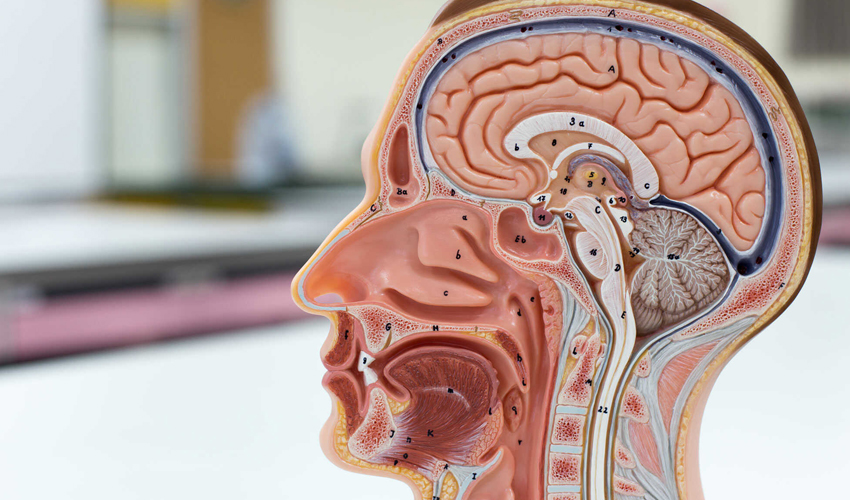
The pituitary gland is a small but critically important gland located at the base of the brain. Often called the "master gland," it regulates and controls many other hormone-producing glands throughout the body, including the thyroid, adrenal glands, and gonads. Disorders of the pituitary gland can have wide-ranging effects on growth, reproduction, metabolism, and overall hormonal health.
We provide expert evaluation and management for a full spectrum of pituitary conditions.
Pituitary Conditions We Treat
Pituitary Adenomas (Tumours)
Non-cancerous tumours of the pituitary gland are the most common pituitary disorder. They may be functioning (hormone-secreting) or non-functioning.
Types Include
- Prolactinoma (excess prolactin)
- Acromegaly (excess growth hormone)
- Cushing's disease (excess ACTH causing cortisol excess)
- TSH-secreting adenomas
- Non-functioning adenomas
Hypopituitarism
Reduced production of one or more pituitary hormones, often resulting from tumours, surgery, radiation, or traumatic brain injury.
Symptoms May Include
- Fatigue and weakness
- Low sex drive
- Infertility
- Growth failure in children
- Hypothyroidism symptoms
- Adrenal insufficiency symptoms
Our Management
- Hormone deficiency evaluation and replacement
- Growth hormone deficiency treatment
- Sex hormone replacement
- Cortisol and thyroid hormone supplementation as needed
Acromegaly
A condition caused by excess growth hormone, typically from a pituitary tumour, leading to abnormal growth of bones and organs.
- IGF-1 and growth hormone assessment
- Medical therapy with somatostatin analogues
- Multidisciplinary management with neurosurgical referral
- Long-term monitoring for comorbidities
Prolactinoma
The most common functioning pituitary tumour, causing elevated prolactin levels, which can lead to infertility, irregular periods, and galactorrhoea.
- Dopamine agonist therapy (first-line medical treatment)
- Regular prolactin and MRI monitoring
- Fertility and reproductive hormone management
Diabetes Insipidus
A condition caused by deficiency of ADH (antidiuretic hormone), leading to excessive urination and thirst, often related to pituitary or hypothalamic pathology.
- Accurate diagnosis and differentiation from other causes
- Desmopressin (DDAVP) therapy
- Long-term management and monitoring
Why Choose Dr. Prathamesh Deorukhkar?
- Specialist endocrinology expertise in complex pituitary disorders
- Comprehensive hormonal evaluation using advanced diagnostics
- Evidence-based medical management
- Multidisciplinary collaboration with neurosurgery and radiology
- Personalised long-term follow-up and care