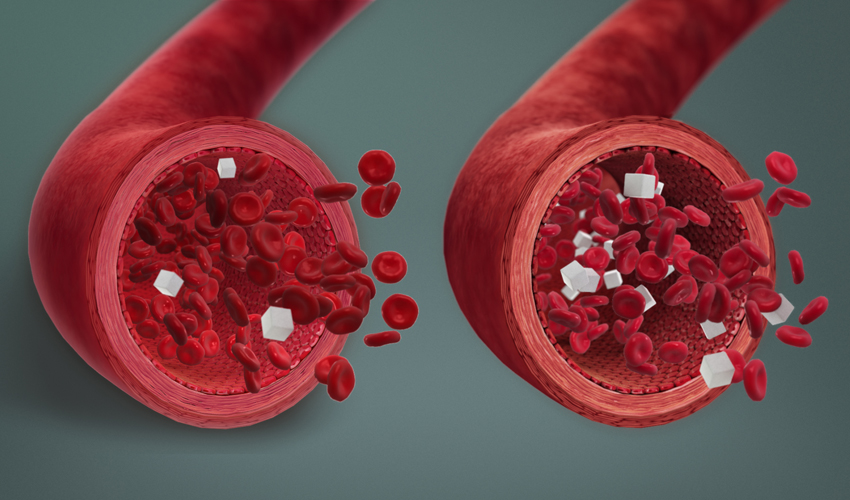
Hypoglycemia, commonly known as low blood sugar, occurs when blood glucose levels fall below the normal range (typically below 70 mg/dL). While it is most commonly seen in people with diabetes who are on insulin or certain medications, it can also occur in individuals without diabetes due to underlying hormonal or metabolic disorders. Accurate diagnosis and proper management are essential to prevent serious complications.
We provide comprehensive evaluation, diagnosis, and personalised management for all causes and types of hypoglycemia.
Symptoms of Hypoglycemia
Mild to Moderate Symptoms
- Shakiness or trembling
- Sweating and clamminess
- Rapid heartbeat (palpitations)
- Hunger and nausea
- Dizziness or lightheadedness
- Anxiety or irritability
- Pale skin
- Tingling around the mouth
Moderate to Severe Symptoms
- Confusion or difficulty concentrating
- Blurred or double vision
- Slurred speech
- Weakness and fatigue
- Headache
- Inability to perform routine tasks
Severe Hypoglycemia
- Seizures
- Loss of consciousness
- Coma (if untreated)
Causes of Hypoglycemia
Hypoglycemia in Diabetes
The most common cause of hypoglycemia is treatment-related in people with diabetes.
- Excess insulin dose
- Skipped or delayed meals
- Unplanned or excessive physical activity
- Alcohol consumption without food
- Sulfonylurea or other glucose-lowering medications
- Renal impairment affecting drug clearance
Hypoglycemia Without Diabetes (Non-Diabetic Hypoglycemia)
Hypoglycemia can occur without diabetes due to various underlying conditions:
- Insulinoma (insulin-secreting pancreatic tumour)
- Adrenal insufficiency (Addison's disease)
- Pituitary or growth hormone deficiency
- Reactive hypoglycemia (post-meal low blood sugar)
- Post-bariatric surgery hypoglycemia
- Prolonged fasting or malnutrition
- Liver disease affecting glucose regulation
- Certain medications (non-diabetic drugs)
- Rare autoimmune insulin syndrome
Diagnosis
Accurate diagnosis is key to identifying the underlying cause of hypoglycemia. Our evaluation includes:
- Blood glucose monitoring during symptomatic episodes (Whipple's triad confirmation)
- Fasting glucose and insulin levels
- C-peptide and proinsulin testing
- 72-hour supervised fasting test when indicated
- Mixed meal tolerance test for reactive hypoglycemia
- Cortisol and adrenal function testing
- Pituitary hormone evaluation
- Imaging studies to identify insulinoma or other tumours
- Continuous Glucose Monitoring (CGM) for pattern identification
Treatment & Management
Immediate Management of Low Blood Sugar
- 15–20 grams of fast-acting carbohydrates (glucose tablets, juice, sugar)
- Recheck blood glucose after 15 minutes and repeat if needed
- Glucagon injection for severe hypoglycemia with loss of consciousness
- Intravenous dextrose in hospital settings
Long-Term Management
- Medication review and dose optimisation for diabetes patients
- Structured meal planning and snack timing education
- Continuous Glucose Monitoring (CGM) to detect and prevent low episodes
- Hypoglycemia awareness training
- Treatment of the underlying cause (e.g., surgical removal of insulinoma)
- Hormone replacement for adrenal or pituitary deficiency
- Dietary modification for reactive hypoglycemia
- Glucagon emergency kit prescription and education for high-risk patients
Hypoglycemia Unawareness
Some patients — particularly those with long-standing diabetes — lose the ability to sense the early warning symptoms of low blood sugar, putting them at high risk for severe episodes. We provide specialised management for hypoglycemia unawareness, including:
- Blood glucose target relaxation strategies
- Continuous Glucose Monitoring (CGM) with alert settings
- Structured hypoglycemia avoidance programmes
- Medication regimen adjustment
Why Choose Dr. Prathamesh Deorukhkar?
- Specialist expertise in both diabetic and non-diabetic hypoglycemia
- Comprehensive diagnostic workup to identify the root cause
- Personalised management plans tailored to each patient's condition
- Advanced use of Continuous Glucose Monitoring (CGM) for hypoglycemia prevention
- Expert management of complex cases including insulinoma and hypoglycemia unawareness
- Patient education focused on safety, prevention, and confidence in daily life