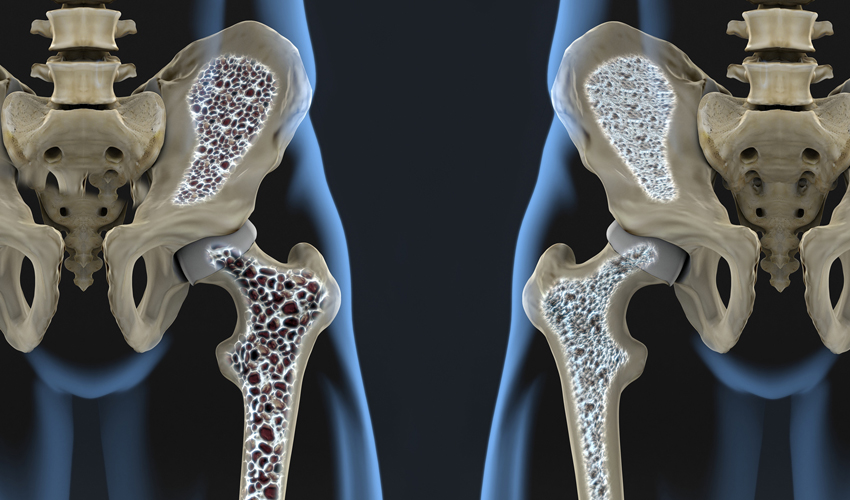
Bone health is closely linked to hormonal balance. Many endocrine conditions — including thyroid disorders, parathyroid disease, vitamin D deficiency, and hormonal deficiencies — directly affect bone density and strength. Early identification and treatment of metabolic bone diseases can prevent fractures and significantly improve long-term health outcomes.
We provide specialised evaluation and management of a wide range of bone and mineral metabolism disorders.
Osteoporosis is characterised by reduced bone density and deterioration of bone microstructure, leading to fragile bones and increased fracture risk.
Risk Factors
Our Management
Vitamin D is critical for calcium absorption and bone mineralisation. Deficiency is extremely common and can cause bone pain, muscle weakness, and increased fracture risk.
Overactive parathyroid glands cause excess parathyroid hormone (PTH), which draws calcium from bones and raises blood calcium levels, weakening bone structure.
Our Evaluation Includes
Low PTH levels result in low blood calcium, causing muscle cramps, tetany, and seizures. Long-term management focuses on calcium and vitamin D supplementation.
Softening of bones due to severe vitamin D deficiency or calcium and phosphate abnormalities, resulting in bone pain, muscle weakness, and fractures.
A chronic disorder involving abnormal bone remodelling, leading to enlarged and deformed bones, bone pain, and increased fracture risk.

