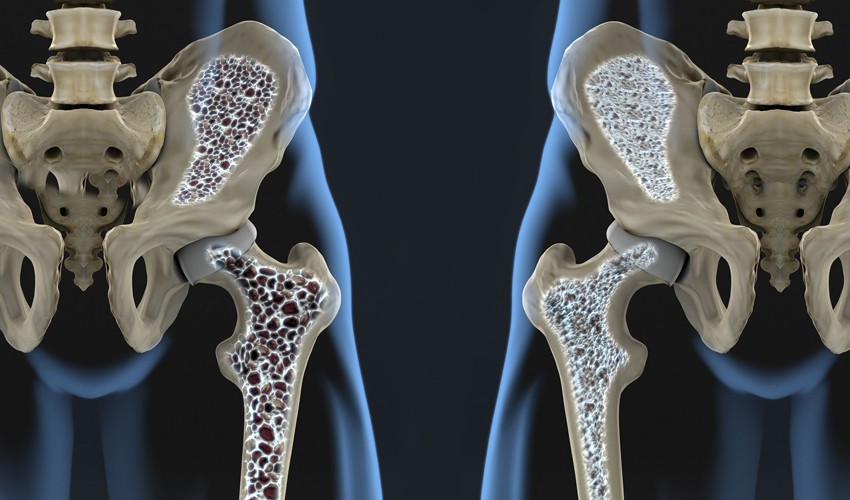
Osteoporosis can weaken your bones gradually without causing noticeable symptoms. Many people do not realize they have low bone strength until they experience a fracture after a minor fall or injury. With timely diagnosis and appropriate treatment, osteoporosis can be managed effectively, helping reduce the risk of fractures and maintain mobility and independence.
If you are searching for the Best Osteoporosis Specialist in Koparkhairane it is important to choose treatment based on your individual bone health rather than relying on a one-size-fits-all approach. Your age, bone density, previous fractures, medical history, nutritional status, lifestyle, and other health conditions can all influence your treatment plan.
The goal of osteoporosis care is to improve slow or prevent further bone loss, reduce fracture risk, and support a better quality of life. If you are looking for the Best Osteoporosis Specialist in Koparkhairane comprehensive evaluation can help identify bone loss and its underlying causes and guide an appropriate treatment plan.
Osteoporosis is a bone condition in which bones become weaker and more fragile over time. Normally, the body continuously removes old bone and replaces it with new bone. With osteoporosis, bone loss can occur faster than new bone formation, gradually reducing bone strength. The condition commonly affects the hip, spine, wrist, and other bones. A person may have osteoporosis for years without experiencing pain or other obvious symptoms.
This is why osteoporosis is often described as a silent condition. In some cases, the first indication is a fracture following a minor fall or routine activity. Early assessment can help identify reduced bone density before a serious fracture occurs. Consulting the Best Osteoporosis Specialist in Koparkhairane can help with timely evaluation and personalised bone health management.
Osteoporosis can occur in different forms and may be associated with different causes and complications. The Best Osteoporosis Specialist in Koparkhairane provides comprehensive evaluation and management for primary osteoporosis, postmenopausal osteoporosis, vitamin D deficiency, metabolic bone disorders, and other conditions that can affect bone health.
Primary osteoporosis is generally associated with ageing and the natural loss of bone density. It can affect both men and women, although women are particularly susceptible to accelerated bone loss after menopause. Assessment of bone density and fracture risk can help determine whether preventive measures or treatment may be appropriate.
Hormonal changes following menopause can accelerate bone loss. Postmenopausal women may therefore have an increased risk of osteoporosis and fractures. Early assessment can help identify women who may benefit from bone health evaluation and preventive care.
Osteoporosis is characterised by reduced bone density and deterioration of bone microstructure, leading to fragile bones and increased fracture risk.
Vitamin D is critical for calcium absorption and bone mineralisation. Deficiency is common and can contribute to bone pain, muscle weakness, and increased fracture risk.
Overactive parathyroid glands cause excess parathyroid hormone (PTH), which can increase calcium release from bones and raise Blood Calcium Levels , potentially weakening bone structure.
Our Evaluation IncludesLow PTH levels can result in low blood calcium and may cause muscle cramps, tetany, and seizures. Long-term management focuses on maintaining appropriate calcium and vitamin D levels under medical supervision.
Osteomalacia involves softening of the bones due to severe vitamin D deficiency or calcium and phosphate abnormalities. It may result in bone pain, muscle weakness, and fractures.
Paget's disease is a chronic disorder involving abnormal bone remodelling. It can lead to enlarged or deformed bones, bone pain, and an increased risk of fractures.
Dr. Prathamesh Deorukhkar focuses on the evaluation and management of osteoporosis and metabolic bone conditions, with treatment plans tailored to individual bone health needs and fracture risk.
For individuals seeking the Best Osteoporosis Specialist in Koparkhairane, timely evaluation and personalised care can help support stronger bones, reduce fracture risk, and promote long-term bone health.
An osteoporosis specialist is a healthcare professional who evaluates bone health, diagnoses osteoporosis, assesses fracture risk, and recommends appropriate treatment to help maintain bone strength and reduce the risk of fractures.
Osteoporosis is a condition in which bones become weak and fragile, increasing the risk of fractures. It often develops gradually without noticeable symptoms until a fracture occurs.
You should consider consulting an osteoporosis specialist if you have low bone density, a history of fractures, persistent height loss, a family history of osteoporosis, or risk factors such as increasing age or long-term steroid use.
Osteoporosis is commonly diagnosed through a bone mineral density test, usually a DEXA scan. A specialist may also recommend blood tests, medical history assessment, and fracture risk evaluation to understand your bone health.
Osteoporosis treatment may include prescribed medications, adequate calcium and vitamin D intake, weight-bearing exercises, fall-prevention strategies, and lifestyle modifications. Treatment depends on your bone density, medical history, and individual fracture risk.
Yes, osteoporosis can often be managed with an appropriate treatment plan, regular monitoring, adequate nutrition, and suitable physical activity. Early diagnosis and consistent care can help reduce fracture risk and support long-term bone health.
Metabolic bone diseases are conditions that affect the formation, strength, or maintenance of bones. They include osteoporosis, osteomalacia, and certain disorders related to calcium, vitamin D, or mineral metabolism.
People at higher risk include older adults, postmenopausal women, individuals with a family history of osteoporosis, people with low body weight, and those with certain medical conditions or prolonged use of medications such as corticosteroids.

